

How do industrial wipes work on oily fingerprints?
As a reliable industrial wipes supplier, I've witnessed firsthand the crucial role these products play in various industries. One common scenario we often encounter is dealing with oily fingerprints. Oily fingerprints can be a nuisance in many industrial settings, from manufacturing plants to laboratories. They not only affect the aesthetics of surfaces but can also interfere with the proper functioning of equipment. In this blog post, I'll delve into how industrial wipes work on oily fingerprints, exploring the science behind their effectiveness and highlighting some of our top-notch products.
The Science Behind Oily Fingerprints and Cleaning
Oily fingerprints are primarily composed of sebum, a natural oil produced by the sebaceous glands in our skin. When we touch a surface, a thin layer of this oil is transferred, leaving behind a visible mark. The challenge in cleaning oily fingerprints lies in breaking down and removing this oily residue effectively.
Industrial wipes are designed to address this issue through a combination of physical and chemical mechanisms. Physically, the wipes act as a medium for mechanical removal. The texture of the wipe, whether it's a non - woven fabric or a more specialized material, helps to lift the oily fingerprints from the surface. The fibers in the wipe can trap the oil and dirt particles, preventing them from re - depositing on the surface.
Chemically, many industrial wipes are impregnated with cleaning agents. These agents can be solvents, surfactants, or a combination of both. Solvents are substances that can dissolve oils. For example, isopropyl alcohol is a commonly used solvent in industrial wipes. It has the ability to break down the oil molecules in the fingerprints, making them easier to remove.
Surfactants, on the other hand, reduce the surface tension between the oil and the surface. They have a hydrophilic (water - loving) head and a hydrophobic (oil - loving) tail. When a surfactant is applied to the oily fingerprint, the hydrophobic tail attaches to the oil, while the hydrophilic head interacts with the water in the wipe or the cleaning solution. This allows the oil to be dispersed and lifted away from the surface.
Different Types of Industrial Wipes for Oily Fingerprints
Laboratory Wipes
Laboratory Wipes are specifically designed for use in laboratory environments. These wipes are often made from high - quality, lint - free materials to prevent contamination. They are impregnated with gentle yet effective cleaning agents that can remove oily fingerprints without leaving behind any residues. In a laboratory, where precision and cleanliness are of utmost importance, these wipes are essential for maintaining the integrity of experiments and equipment.
Aviation Clean & Prep Wipes
AViation Clean & Prep Wipes are used in the aviation industry. Oily fingerprints on aircraft surfaces can not only affect the appearance but also have implications for aerodynamics and the performance of sensitive equipment. These wipes are formulated to clean and prepare surfaces for painting, bonding, or other finishing processes. They are strong enough to remove stubborn oily fingerprints and other contaminants, while also being safe for use on a variety of aircraft materials.
Aviation Cleaning Wipes
AViation Cleaning Wipes are another vital product in the aviation sector. They are designed for general cleaning purposes, including the removal of oily fingerprints from interior and exterior surfaces of aircraft. These wipes must meet strict safety and performance standards to ensure the safety and comfort of passengers and the proper functioning of the aircraft.
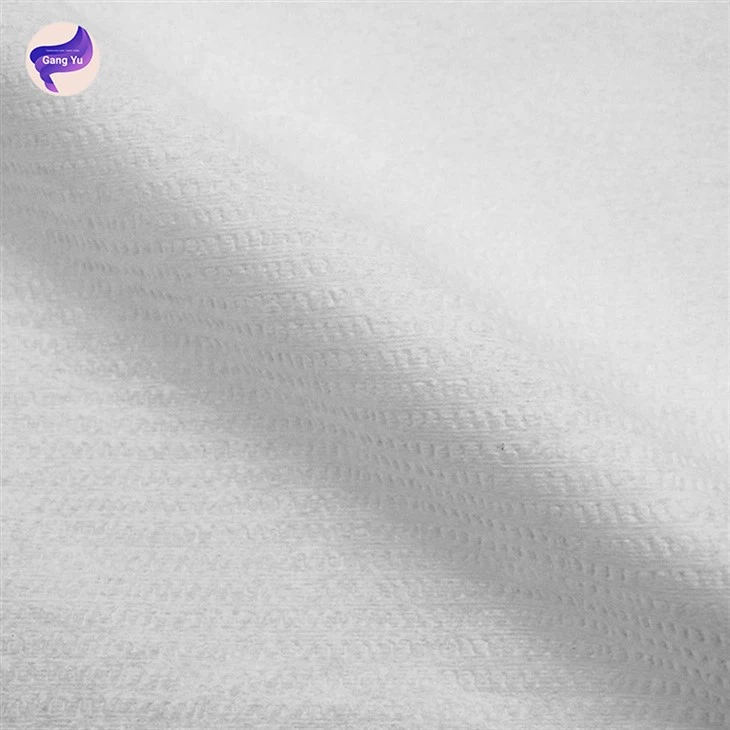

OEM Industrial Wipes
OEM Industrial Wipes are versatile wipes that can be used in a wide range of original equipment manufacturing processes. Whether it's cleaning machinery parts, electronic components, or metal surfaces, these wipes can effectively remove oily fingerprints. They are often available in different sizes and formulations to suit various applications.
Car Surface Preparation Wipes
Car Surface Preparation Wipes are specifically tailored for the automotive industry. Before painting, sealing, or applying any aftermarket products, it's crucial to prepare the car's surface by removing oily fingerprints and other contaminants. These wipes ensure a clean and smooth surface, which is essential for a high - quality finish.
Factors Affecting the Performance of Industrial Wipes on Oily Fingerprints
Several factors can influence how well industrial wipes work on oily fingerprints. The type of surface is a significant factor. Porous surfaces, such as wood or some types of plastic, can absorb the oil from the fingerprints, making it more challenging to remove. In such cases, stronger cleaning agents or multiple passes with the wipe may be required.
The age of the oily fingerprints also matters. Freshly made fingerprints are generally easier to clean as the oil has not had time to penetrate deeply into the surface or react with other substances. Older fingerprints may have oxidized or combined with dust and debris, making them more stubborn.
The quality of the industrial wipe itself is crucial. A high - quality wipe will have a better texture for mechanical removal and a more effective cleaning formulation. It should also be durable enough to withstand multiple uses without tearing or leaving behind lint.
How to Use Industrial Wipes Effectively on Oily Fingerprints
To get the best results when using industrial wipes on oily fingerprints, it's important to follow a few simple steps. First, choose the appropriate type of wipe for the surface and the level of contamination. For example, use a stronger - solvent wipe for heavy - duty oily fingerprints on metal surfaces, while a milder wipe is suitable for delicate surfaces like glass or electronics.
Before using the wipe, ensure that the surface is not too hot or cold. Extreme temperatures can affect the performance of the cleaning agents and the physical properties of the wipe. Then, gently wipe the surface in a controlled motion, applying even pressure. Start from the outside of the fingerprint and work towards the center to prevent spreading the oil.
If the fingerprint is particularly stubborn, you may need to let the wipe sit on the surface for a short period to allow the cleaning agents to penetrate and break down the oil. After wiping, inspect the surface to ensure that all the oily residue has been removed. If necessary, repeat the process.
Conclusion
Industrial wipes are an indispensable tool for dealing with oily fingerprints in various industries. Through a combination of physical and chemical mechanisms, these wipes can effectively remove the oily residue, ensuring clean and functional surfaces. Whether you're in a laboratory, the aviation industry, automotive manufacturing, or general OEM production, there's an industrial wipe designed to meet your specific needs.
If you're interested in learning more about our industrial wipes or are looking to make a purchase, we'd be delighted to discuss your requirements. Our team of experts can provide you with detailed information on product specifications, pricing, and usage guidelines. Contact us today to start a conversation about how our high - quality industrial wipes can solve your oily fingerprint problems.
References
- "Handbook of Cleaning Agents" by Milton J. Rosen and Martin D. Goldsmith.
- "Surface Science Principles in Cleaning Technology" by K. L. Mittal.
- Industry - specific research papers on the use of industrial wipes in aviation, automotive, and laboratory settings.
Contact Us
Hangzhou Gang Yu Health Products Co.,Ltd
If you have any enquiry, please do not hesitate to contact us. Leave us a message and we will get back to you shortly.
sales@gynonwovens.com
+8615257155655
Wechat/Whatsapp: +86 152 5715 5655
Website: www.gynonwovens.com
No.1 Yumin Road, Dangwan Town,311221, Xiaoshan District, Hangzhou City, Zhejiang Province, China (Mainland)